Getting There and Launching Your Kayak
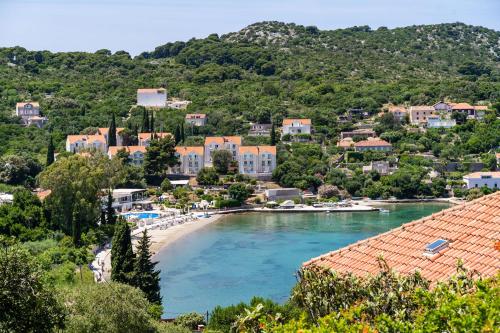
Koločep is the southernmost of Croatia's Elaphiti Islands, a short ferry ride from Dubrovnik's Gruž harbour. The island has no cars, so you'll arrive at one of two small ports: Donje Čelo on the north coast or Gornje Čelo on the south. Both are connected by a concrete path across the island's narrow waist, about a 10-minute walk. Ferries run several times daily, with the crossing taking 30-40 minutes. Tickets are purchased at the Gruž terminal or on board; a return fare costs around 10-15 euros. Kayak rental is available from private operators in Donje Čelo, typically 20-30 euros for a half-day and 35-45 euros for a full day. If you bring your own kayak, check with the ferry operator about baggage allowances and fees.
The best launch point is Donje Čelo, where the water is calm and the harbour wall provides easy entry. From there, you can paddle west along the north coast towards the Blue Cave, a sea cave that glows blue in morning light. The distance is about 2.5 kilometres, taking 30-45 minutes at a relaxed pace. The coastline is rocky with few beaches, so plan your exit points. The Blue Cave is best visited before 11am to avoid tour boats from Dubrovnik. Alternatively, paddle east towards the islet of Ruda, a 15-minute crossing, where you'll find a small beach and clear water. Avoid the south coast in strong southerly winds (jugo), as it becomes exposed and choppy.
Routes, Distances and What You'll See
A full circumnavigation of Koločep is about 12 kilometres and takes 4-5 hours with stops. Start from Donje Čelo and head clockwise: west past the Blue Cave, then south around the rugged Punta od Bele crkve headland. The south coast is wilder, with cliffs and few landing spots; only attempt this in calm weather. Continue east to Gornje Čelo, where you can stop for lunch at a konoba (tavern) before completing the loop back to Donje Čelo. The kayak rental operator can provide a waterproof map. Keep an eye on the weather; afternoon winds (maestral) pick up around 2pm, so aim to finish by early afternoon. For a shorter trip, paddle from Donje Čelo to the Blue Cave and back, about 5 kilometres round trip, taking 2-3 hours including a swim stop.
Wildlife sightings include sea turtles, dolphins (if lucky) and various seabirds. The water is clearest from June to September, with visibility up to 20 metres. However, July and August are peak season, with more boat traffic and higher rental prices. May, June, September and early October offer quieter conditions and reliable weather, with sea temperatures around 20-24°C. Bring a dry bag for valuables, plenty of water (at least 1.5 litres per person), and a hat. There are no shops on the south coast, so pack snacks. If you're not confident paddling open water, consider a guided tour; several operators in Dubrovnik offer half-day kayak trips to Koločep for around 45-60 euros, including equipment and a guide.
Where to Stay and Other Practicalities
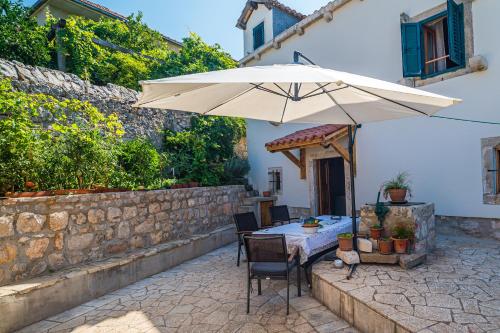
Koločep has a handful of small hotels and private rooms, mostly in Donje Čelo. Staying on the island means you can start paddling early before day-trippers arrive. Expect to pay 80-120 euros per night for a double room in a guesthouse during Shoulder season (May-June, September-October), and 120-180 euros in July-August. For a wider choice, base yourself in Dubrovnik and take a day trip. Dubrovnik's Gruž area is convenient for the ferry, with hotels like Hotel Lapad and Hotel Adriatic within walking distance of the terminal. Booking a hotel in Dubrovnik also gives you access to more restaurants and amenities. If you want to stay on Koločep, book well in advance for summer, as capacity is limited.
The island has limited dining: a few konobas in both ports serving seafood and local dishes. Prices are moderate, with main courses around 15-25 euros. There are no ATMs on the island, so bring cash. Sun protection is essential: the rocky coast offers little shade. Wear water shoes for rocky entries and exits. Mobile signal is generally good on the island, but bring a fully charged phone for emergencies. The ferry back to Dubrovnik runs until early evening; check the schedule at the port. If you're kayaking independently, file a float plan with your hotel or rental operator. And remember: Koločep is car-free, so all transport on the island is on foot.
Related articles
Good to know
Questions, answered
Do I need a permit to kayak around Koločep?
No permit is required for recreational kayaking in Croatian waters. However, if you bring your own kayak on the ferry, check with the operator about size limits and fees. Rental companies provide all necessary equipment.
What's the best time of year for kayaking at Koločep?
May, June, September and early October offer calm seas, comfortable temperatures and fewer crowds. July and August are busier and hotter, with higher rental prices. Avoid strong wind days, especially the southerly jugo.
Can beginners kayak around Koločep?
Yes, if you stick to sheltered routes like Donje Čelo to the Blue Cave. The north coast is calmer. For a full circumnavigation, experience is needed. Guided tours are available for beginners.
How far is the Blue Cave from Donje Čelo?
The Blue Cave is about 2.5 kilometres west of Donje Čelo harbour, roughly 30-45 minutes of paddling. It's best visited in the morning when the light is right and boat traffic is low.
Are there places to eat on Koločep?
Yes, there are a few konobas (taverns) in Donje Čelo and Gornje Čelo serving seafood and local cuisine. Expect main courses around 15-25 euros. Bring cash, as there are no ATMs on the island.
Can I rent a kayak on Koločep?
Yes, kayak rentals are available in Donje Čelo, typically 20-30 euros for a half-day and 35-45 euros for a full day. It's advisable to book ahead in peak season.
What should I bring for a kayak trip around Koločep?
Bring water (at least 1.5 litres per person), snacks, sun protection, a hat, water shoes and a dry bag. There are no shops on the south coast, so pack everything you need.
How do I get to Koločep from Dubrovnik?
Take a ferry from Dubrovnik's Gruž harbour. The crossing takes 30-40 minutes and runs several times daily. Tickets cost around 10-15 euros return and can be bought at the terminal or on board.
Doing good is the business: every booking through Stay Dubrovnik funds one verified tonne of carbon removal — same room, same price, no markup.
Search stays