Getting to Koločep and Getting Around
Koločep is the closest of the Elaphiti Islands to Dubrovnik, and the only one without cars. The Jadrolinija ferry from Gruž harbour takes about 30 minutes and runs several times daily in summer, less frequently in winter; a return ticket costs around 10 euros. You arrive at Koločep's main hamlet, Donje Čelo, on the north coast. From there, a paved 2.5-kilometre path crosses the island to Gornje Čelo on the south side, passing through pine woods and olive groves. The walk takes 30–40 minutes at an easy pace.
There are no taxis, buses, or rental cars on Koločep, so plan to walk everywhere. The path between the two hamlets is well marked and mostly shaded, but it includes some stone steps, so wear sturdy shoes. If you are staying overnight, confirm with your accommodation whether they offer luggage transport from the ferry — some do, using small hand carts. Day-trippers should bring water, as there are only a few cafes and a small shop in Donje Čelo; opening hours can be limited outside July and August.
Swimming Spots: Coves and Beaches
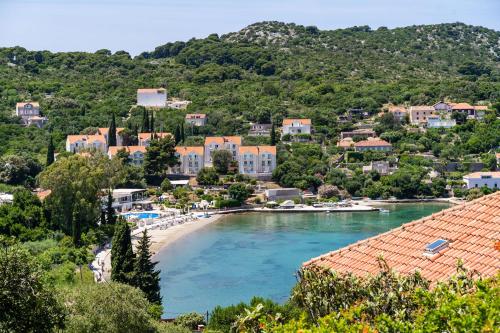
Donje Čelo has a pebble beach with clear, shallow water, ideal for families and easy swimming. The beach is right by the ferry pier, so it is convenient for a quick dip before or after the boat. For more seclusion, walk five minutes east along the shore to a series of small rocky coves; these are not marked, but any local can point the way. The water is turquoise and calm in the morning, but can get breezy in the afternoon. There are no lifeguards, so swim with care.
On the south side, Gornje Čelo offers a quieter pebble beach with a couple of beach bars. The walk from Donje Čelo takes about 40 minutes, and the reward is a more laid-back atmosphere and often fewer people. If you continue west from Gornje Čelo along the coast, you will find several isolated rocks and small coves accessible by footpaths; these are perfect for snorkelling. Bring water shoes, as some entries are rocky. The best months for swimming are June through September, when sea temperatures range from 22°C to 26°C.
Walking Routes and Island Views
Beyond the main path, Koločep has a few unmarked trails that lead to viewpoints and old chapels. From Gornje Čelo, a 20-minute uphill walk brings you to the Chapel of St. Nicholas, with panoramic views over the sea towards Dubrovnik. The trail is rugged but manageable in trainers. Another route follows the coast east from Donje Čelo to the small harbour of Donje Čelo, where you can watch fishing boats come in. These walks are best done in the morning or late afternoon to avoid the midday heat.
For a longer hike, circle the island on the old stone paths that connect the two hamlets via the interior. The full loop is about 5 kilometres and takes 2–3 hours, depending on stops. You will pass abandoned stone houses and terraced gardens, a reminder of the island's farming past. There are no facilities along the interior routes, so carry water and snacks. The paths are uneven in places, and some sections are overgrown in summer. A detailed map is not necessary, but a offline map on your phone can help.
Where to Stay and When to Go
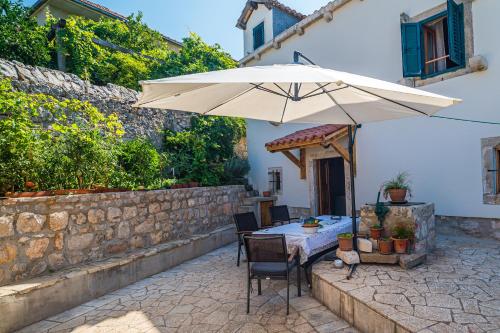
Koločep has a small number of private rooms and apartments, mostly in Donje Čelo and Gornje Čelo. Booking ahead is essential in July and August, as capacity is limited. If you prefer more choice, consider staying in Dubrovnik and visiting Koločep as a day trip; the ferry from Gruž is quick and inexpensive. For a quieter stay, book a room in Gornje Čelo, where the pace is slower and the beaches are less crowded. Expect basic amenities; this is not a resort island.
The best time to visit is late spring (May–June) or early autumn (September–October), when the weather is warm, the sea is swimmable, and the island is less busy. July and August are peak season, with higher prices and more day-trippers, but the atmosphere is lively. Winter visits are possible but many facilities close, and ferry schedules are reduced. If you are combining Koločep with other Elaphiti Islands, allow at least half a day here to explore both hamlets and do some swimming.
Related articles
Good to know
Questions, answered
How do I get to Koločep from Dubrovnik?
Take the Jadrolinija ferry from Gruž harbour in Dubrovnik. The crossing takes about 30 minutes and runs several times daily in summer. Tickets are available at the port or online. In winter, services are less frequent, so check schedules in advance.
Are there sandy beaches on Koločep?
No, Koločep's beaches are pebble or rocky. Donje Čelo and Gornje Čelo have pebble beaches with clear water. Water shoes are recommended for comfort, especially on the rockier entries.
Can I do a day trip to Koločep from Dubrovnik?
Yes, Koločep is easily visited as a day trip. The ferry from Gruž takes 30 minutes, and you can walk between the two hamlets in about 40 minutes. Allow at least half a day to explore and swim.
What should I bring to Koločep?
Bring water, snacks, sun protection, swimwear, and sturdy shoes for walking. There are limited shops and cafes on the island, especially outside peak season. Cash is useful as some places may not accept cards.
Is Koločep suitable for families with children?
Yes, the shallow waters at Donje Čelo are good for children, but there are no lifeguards. The paths are not stroller-friendly, so a carrier is better for young children. Keep an eye on kids near the rocky areas.
Where can I stay on Koločep?
There are private rooms and apartments in both Donje Čelo and Gornje Čelo. Book well in advance for summer. For more options, stay in Dubrovnik and visit as a day trip.
What is the best time to visit Koločep?
Late spring (May–June) and early autumn (September–October) offer warm weather, swimmable sea, and fewer crowds. July and August are busiest but lively. Winter has limited facilities and reduced ferry schedules.
Are there restaurants on Koločep?
There are a few small restaurants and cafes in Donje Čelo and Gornje Čelo, but choices are limited. In summer, they are generally open, but outside peak season, hours can be irregular. It is advisable to bring some food if you have dietary restrictions.
Doing good is the business: every booking through Stay Dubrovnik funds one verified tonne of carbon removal — same room, same price, no markup.
Search stays