A small town on the Pelješac isthmus with medieval walls, working salt pans, and the best oysters in Croatia.
Ston sits 55km north of Dubrovnik on the narrow neck of the Pelješac peninsula. It has two claims: the 14th-century defensive walls that snake 5.5km over the hills between Ston and Mali Ston (the second-longest defensive walls in Europe after the Great Wall of China, locals will tell you), and the salt pans that have worked continuously since Roman times. Between the two towns, Mali Ston bay grows the oysters that supply half of Croatia's fine restaurants.
This is a place to stay two or three nights rather than a week — the town is small, quiet after 10pm, and you'll want a car to reach Peljesac wineries and the coastal beaches. Prices are honest: €82 for a family room with breakfast, €10 for a plate of six fresh oysters at Kapetanova Kuća in Mali Ston. Skip Ston if you need nightlife or beach; visit if you care about food, history, and a walkable small town.
By 9pm Ston town has gone quiet — the main square empties out, a handful of restaurant terraces along the road below the walls stay lit until 11pm, and the walls above are floodlit but closed for the night. Mali Ston, four kilometres east, is smaller still: one harbour road, a row of stone houses, and the oyster restaurants that close their kitchens by 10pm. Neither town has a bar scene, a late supermarket, or anything resembling nightlife. What Ston offers instead is genuine quiet, the sound of the sea against the harbour wall, and a sky dark enough to see stars — a trade some travellers want and others don't.
Ston suits couples, food travellers, and history-minded families with older children who can manage the wall climb. It doesn't suit anyone chasing beach days — the nearest proper swimming is a 15-minute drive to Prapratno cove — or anyone who wants an evening out beyond dinner. Base here for two nights, use a car to explore Pelješac's wineries and Orebić by day, and treat the walls and the oysters as the two things you came for. Everything else on the peninsula is a drive away, not a walk.
Where to stay in Ston
Small hotels and family-run guesthouses in Ston town and Mali Ston run €113-€173 with restaurants downstairs, dropping to €90-€130 outside July and August. Family pansions in both villages offer €69-€104 rooms with breakfast, and apartments in the surrounding hamlets go for €56-€87, though a car becomes essential once you're outside the two centres. The harbourside guesthouses in Mali Ston are the ones with water views over the oyster beds, and Mali Ston is the more atmospheric of the two towns — five stone houses on a working oyster harbour, quieter than Ston itself and a five-minute walk from the best restaurants. Book Ston town if you want the walls at your door and a wider choice of rooms; book Mali Ston if you want to wake up over the water. Either way, reserve by May for a July or August stay — rooms here are few and go fast.
Where to sleep
Hotels in Ston
Visited in person, not pulled off a spreadsheet. Rates run the same or better than booking direct, and one tonne of carbon is removed per stay.
 ★ 4.7
★ 4.7Ston
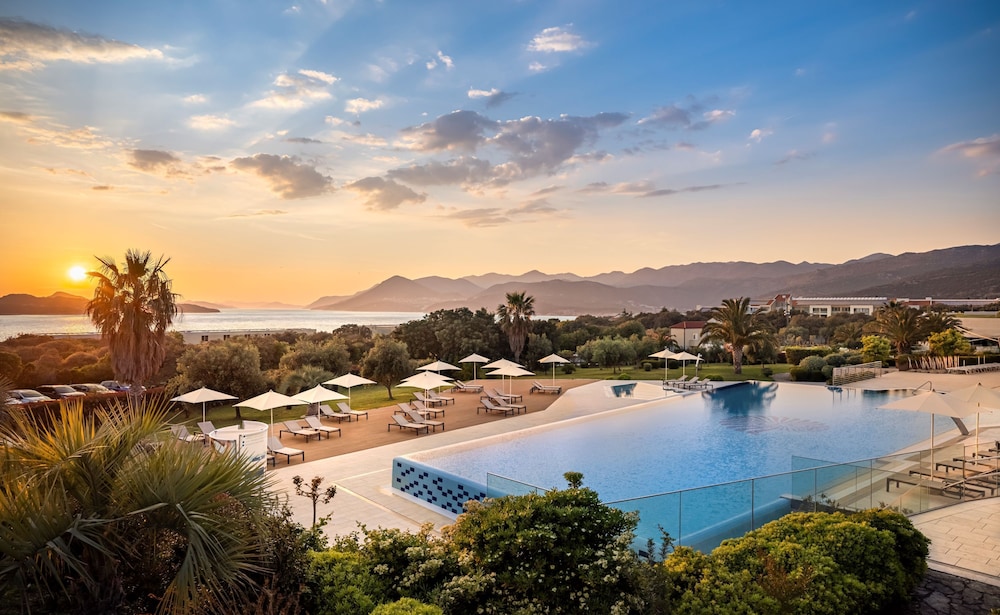
President Hotel Valamar Collection
Guest score 4.7 · Ston. Booked at the live rate through app.impt.io.
$461 / nightReserve
 ★ 4.6
★ 4.6Ston
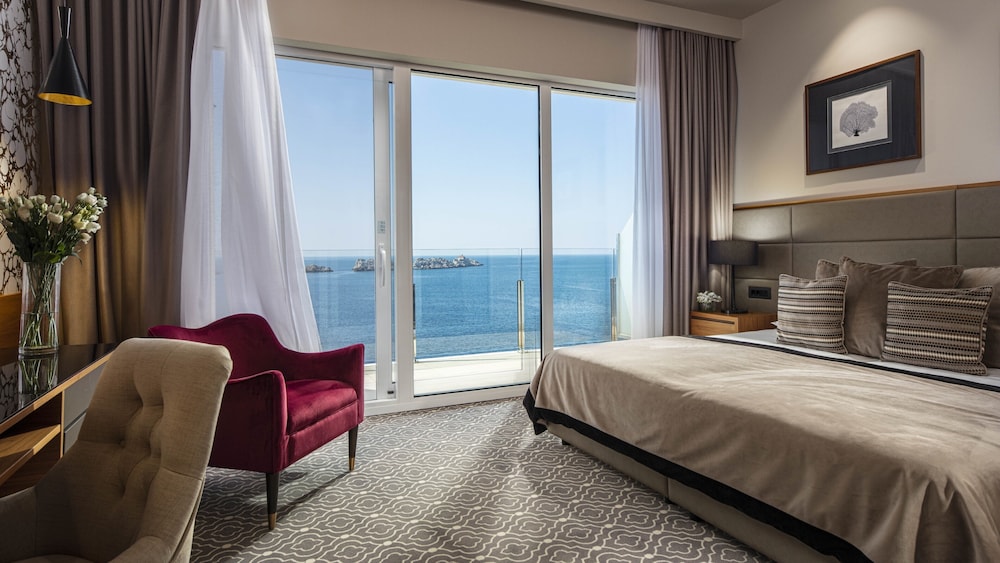
Valamar Lacroma Hotel
Guest score 4.6 · Ston. Booked at the live rate through app.impt.io.
$348 / nightReserve
 ★ 4.4
★ 4.4Ston
Royal Ariston
Guest score 4.4 · Ston. Booked at the live rate through app.impt.io.
$349 / nightReserve
 ★ 4.4
★ 4.4Ston
Hotel D Elegant Dubrovnik
Guest score 4.4 · Ston. Booked at the live rate through app.impt.io.
$185 / nightReserve
On the ground
Things to do in Ston
- Walk the Ston wallsEntry from Ston town, €9, 5.5km round trip climbing steeply to the ridge and dropping to Mali Ston. Takes 90 minutes to 2 hours. Start at 8am or after 5pm — no shade, brutal in midday summer heat.
- Fresh oysters in Mali StonKapetanova Kuća or Bota Šare on the Mali Ston harbour. Six oysters €9-€12, opened at the table. Boats can take you to the oyster beds themselves for €7, tastings included.
- Tour the salt pansSolana Ston, on the west edge of town, still working since the 14th century. €7 tour with a worker, 45 minutes. Harvest in summer if you're lucky, buying by the kilo direct at the pan office.
- Peljesac winery afternoonThe Dingač and Postup wine regions start 15 minutes' drive north. Miloš, Grgić, Bura — three excellent producers within 40 minutes. €9-€17 tasting fees, buy at cellar prices, save 30% on wine-shop retail.
- Climb the Veliki Kaštio fortress towerThe main fortress tower at the western end of Ston's walls, entry included in the €9 wall ticket, opens at 8am in summer and 9am in winter. Steep interior steps lead to the single best viewpoint over the salt pans, the bay, and the rooftops of Ston — better than anything seen from the wall crest itself.
- Beach day at Prapratno coveA sandy, shallow bay 15 minutes' drive southwest of Ston, the closest proper beach to town and the departure point for the summer ferry to Mljet island. Free to access, with a small beach bar serving drinks and grilled fish from 9am. Busiest around midday in July and August.
The essentials
Ston walls to Mali Ston (5.5 km)
Enter the wall system at the Ston town gate, climb the steep steps up the western tower, follow the wall crest with views over the salt pans and the peninsula, descend into Mali Ston past the northern watchtowers, and finish at Kapetanova Kuća on the harbour for oysters and a glass of Pošip. Return by taxi or bus.
Getting there & around
Buses from Dubrovnik main station to Ston run 3-4 times daily, €7, 90 minutes. From the airport, taxi €82 or bus with change at Gruž. A rental car is honestly the smart choice — Peljesac wineries and beaches, coastal drives, and the Korčula ferry at Orebić are all 30-60 minutes away. Parking in Ston is free on the outskirts, €2 an hour in the centre. Between Ston and Mali Ston it's a 3km walk or €7 taxi. There is no local bus shuttling between the two towns, so plan the taxi or the walk into your afternoon rather than assuming public transport will cover it.
Good to know
Ston, questions answered
Are Ston oysters really the best in Croatia?
By reputation and by taste, yes — Mali Ston bay is a UNESCO-recognised biosphere where a specific mix of fresh and salt water produces small, briny, dense oysters. In season (September to April is peak), they are excellent.
Is the walk on the walls difficult?
It's a serious 400-metre climb with stone steps and no shade. Adults in reasonable shape manage it in 90 minutes. Not suitable for young children, buggies, or anyone with knee issues. Wear proper shoes.
How many days do you need in Ston?
Two nights is enough to walk the walls, tour the salt pans, and eat oysters in Mali Ston without rushing. Add a third night if you want a full day trip into the Pelješac wine region or a beach afternoon at Prapratno. Most visitors from Dubrovnik come as a day trip, which works for the walls and lunch but leaves out the salt pans and an evening in Mali Ston.
Can you visit Ston as a day trip from Dubrovnik?
Yes — the bus takes 90 minutes each way and a rental car about an hour, so a day trip is entirely workable. Aim to arrive by mid-morning, walk the walls before the midday heat, and have a late lunch of oysters in Mali Ston before the last afternoon bus back. You'll miss the town at its quietest, after the day-trip buses have gone, but you'll cover the two main sights.
Keep exploring
Nearby on the coast

7 stays
Slano
A quiet natural harbour 35km north — one deep sheltered bay, a Franciscan monastery, and a genuine escape from Dubrovnik itself.
Stays in Slano ↗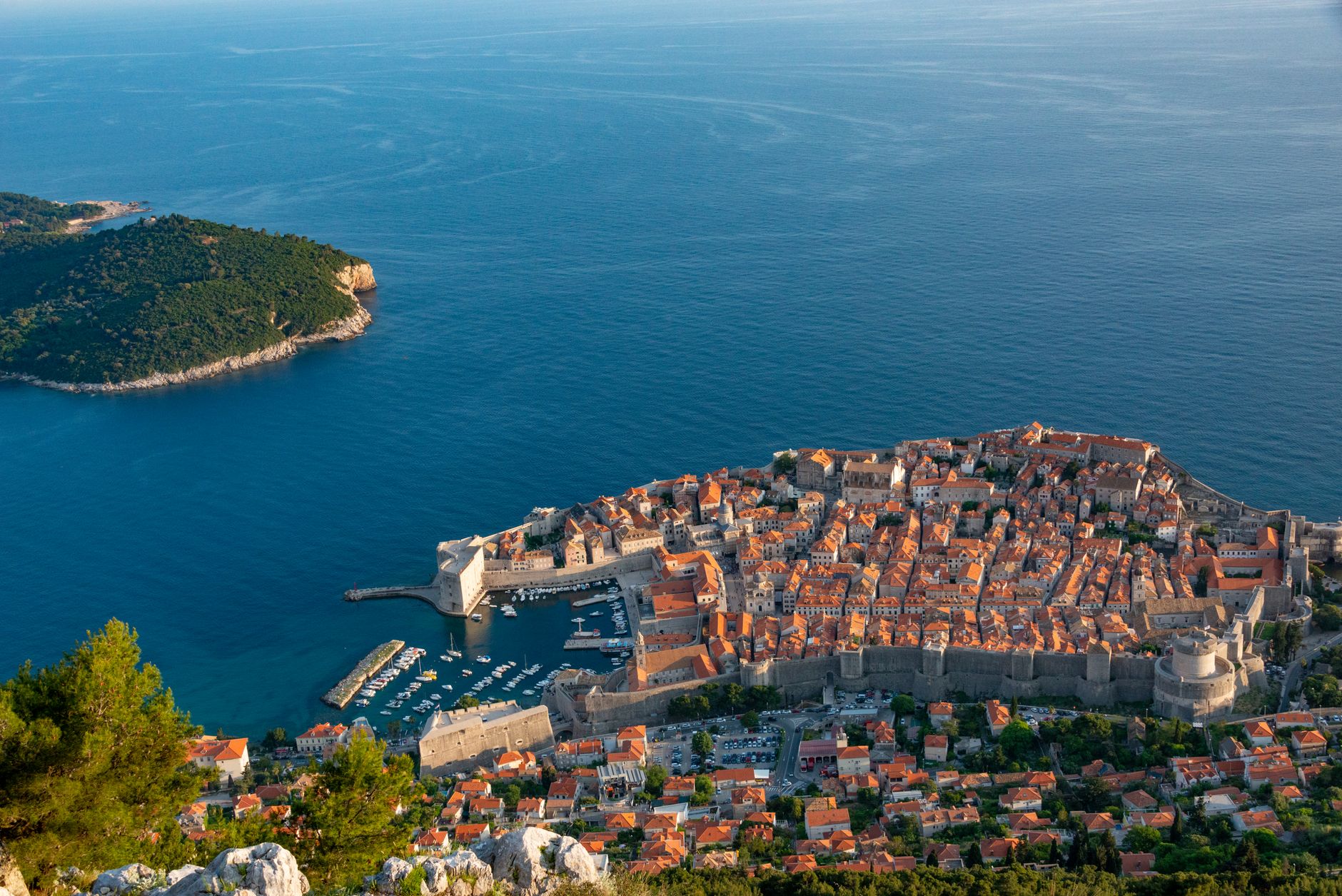
12 stays
Orebić
A Pelješac coast town facing Korčula island — sandy beaches, sailing captains' villas, and a car ferry across the channel.
Stays in Orebić ↗Doing good is the business: every booking through Stay Ston funds one verified tonne of carbon removal — same room, same price, no markup.
Search stays